Wall Street investment banking fees hit four-year high as deal windows reopen
A rebound in larger deals and equity issuance is lifting investment banking fees, with AI-linked momentum and a resilient US consumer bolstering risk appetite. The near-term earnings tailwind for US banks depends on stable policy and open funding markets.
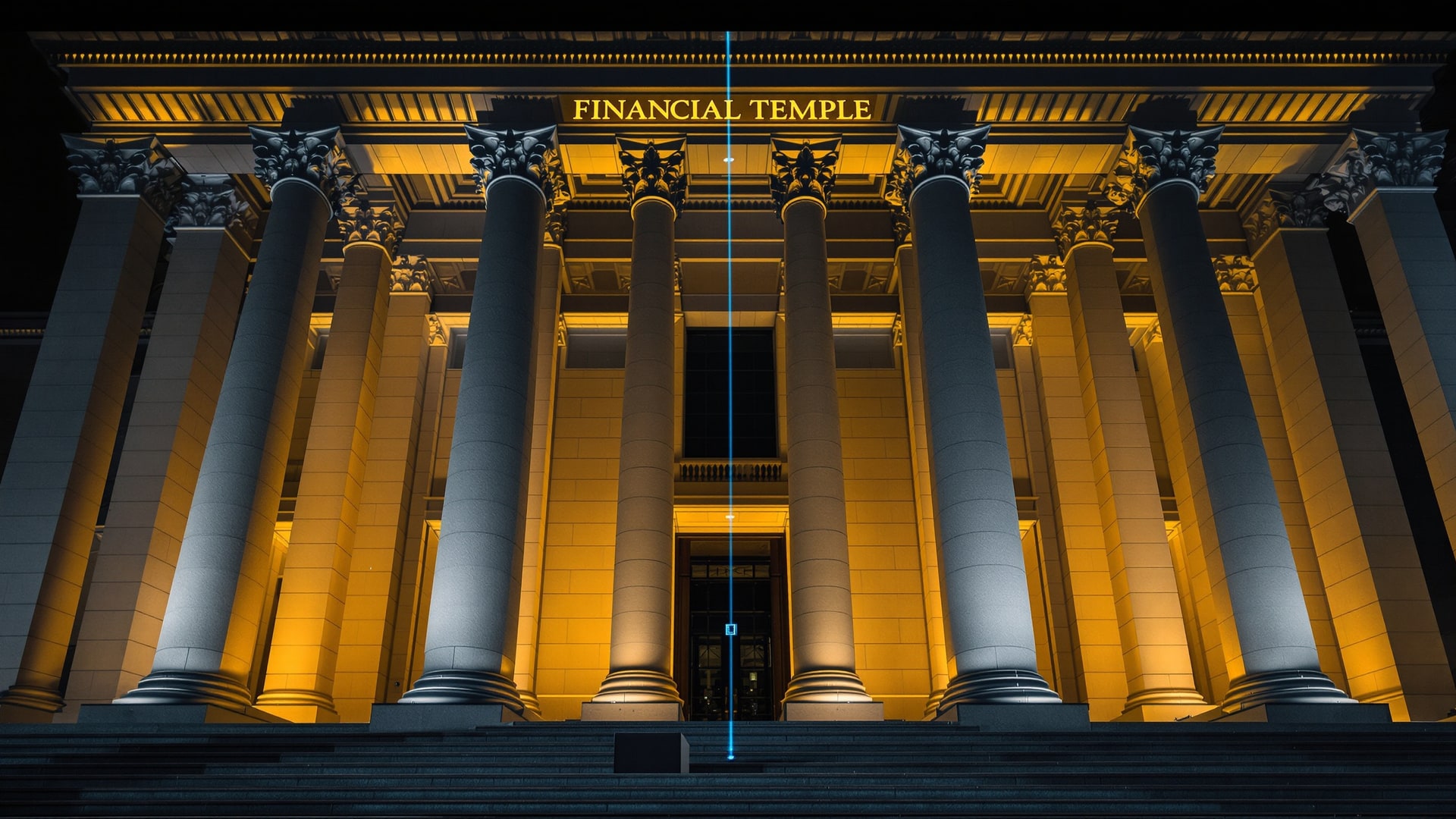
— A monumental stone-and-steel financial temple façade at night, broad ascending steps and an upward diagonal of light suggesting renewed deal momentum and reopened markets.
Overview
A rebound in larger deals and equity issuance is lifting investment banking fees, with AI-linked momentum and a resilient US consumer bolstering risk appetite. The near-term earnings tailwind for US banks depends on stable policy and open funding markets.
The Financial Times reported IEA chief Fatih Birol calling Europe’s slow electrification a major mistake that prolongs fossil reliance. Execution speed now sits at the center of European utilities’ valuations, LNG exposure and EU carbon risk.
By Knightron Editorial
Four-year high: what changed
Wall Street’s investment banking fees are rebounding to a four-year high, according to the Financial Times. The improvement follows a period in 2022–2023 when higher rates, elevated volatility and valuation resets curtailed dealmaking and issuance. The shift in market tone has reopened conversations in boardrooms and among sponsors.
Over the last year, AI-linked optimism and a resilient US consumer aided a broad equity rally. That backdrop improved investor risk appetite and confidence around M&A and equity issuance. Larger deals have started to reappear, lifting advisory and underwriting activity in recent months.
Where fees are coming from: M&A, ECM, DCM
Investment banking fees are driven by M&A advisory and by underwriting in equity capital markets and debt capital markets. The recent pickup reflects a revival in larger transactions, which typically carry higher fee density across advisory, IPOs, and follow-ons. The reopening of the deal and IPO windows has been concentrated in sectors tied to AI and technology capital spending.
The m&a fees backdrop has improved alongside a rebuilding ipo pipeline, particularly where the AI deal pipeline is active. Underwriting desks have benefited from renewed equity and selective debt issuance. Open questions remain on the product-level mix across M&A, ECM and DCM, and which banks are gaining the most share.
Earnings transmission: what fee momentum means for US banks
US investment banks are the primary beneficiaries of the rebound in investment banking fees. Revenue from advisory and underwriting tends to filter quickly into reported results and variable compensation. Fee momentum is therefore watched as a lead indicator for bank earnings and for how aggressively firms set bonus pools.
For investors, stronger fees can offset pressure in other lines and may improve near-term return profiles. The open question is how much of the incremental revenue will accrue to shareholders versus compensation and potential hiring at bulge brackets and boutiques. The balance will influence operating leverage through the cycle.
Durability test: policy, funding, and risk appetite
A sustained pickup depends on stable funding markets, predictable interest-rate policy, and continued risk appetite from corporate issuers and sponsors. If rate cuts are slower than expected or growth softens, windows for issuance and large M&A could narrow. That would challenge the pace of fee recovery.
Execution risk also sits in sentiment. An equity drawdown or renewed volatility could stall the ai deal pipeline and reduce confidence in the ipo pipeline. Investors should treat the current strength as cyclical until the policy backdrop and funding conditions prove durable.
Global picture and competitive dynamics
The United States remains the core market driving deal flow and investor risk appetite. A key open question is how much of the rebound will spill over to European and Asian investment banks. Cross-border activity could follow if confidence persists, but the timing remains uncertain.
Another uncertainty is the share of deal flow directly tied to AI and data infrastructure themes. If AI-related capital spending continues to dominate, firms with sector coverage depth may consolidate share in m&a fees and equity underwriting. If the mix broadens, competition could intensify across products and regions.
Investor dashboard: signals to monitor next
Track announced versus completed M&A, the US IPO calendar, and follow-on equity issuance, with a focus on AI and technology capital spending. Watch fee disclosures and commentary as a lead read into upcoming US bank earnings seasons. These indicators offer early signals on revenue cadence and compensation intent.
Monitor policy signals and funding conditions that influence issuer and sponsor risk appetite. Stable rates and functioning credit markets support underwriting, while volatility can shut issuance windows quickly. The breadth of the rebound across M&A, ECM and DCM will show whether this is a narrow surge or a broader cycle turn.
Market Context
Investment banking fees are built on two pillars: advisory on mergers and acquisitions and the underwriting of equity and debt. Fee pools contracted in 2022–2023 as higher interest rates, market volatility and valuation resets discouraged dealmaking and pushed issuers to the sidelines. A broad equity rally, narrower credit spreads and improving CEO confidence have since helped reopen deal and IPO windows, with notable activity in AI and technology capital spending.
Why It Matters
Fee momentum is a direct input into bank earnings and compensation cycles. For US bank equities, a stronger advisory and underwriting backdrop provides a near-term earnings tailwind and can reset expectations on revenue mix and operating leverage. The trajectory informs how investors value capital markets franchises against more rate-sensitive businesses.
Durability is the hinge. If policy visibility holds and funding markets remain open, the rebound in investment banking fees can extend. If not, the uptick could compress into a shorter window, especially for the ipo pipeline and the ai deal pipeline.
What's Next
Watch announced megadeals, the US IPO calendar in AI and technology capital spending, and fee disclosures as bank earnings season approaches. Track policy signals and funding conditions that determine whether issuance windows stay open or shut quickly.
States are exploring ways to convert abandoned wells into geothermal or monitoring assets. The push, reported by the Financial Times, aligns with federally funded programs and could reshape service demand and project economics.
The Financial Times reports the largest investment banking fee haul in four years as big deals return. Whether M&A, ECM and DCM all participate, and how higher-for-longer rates evolve, will shape US bank equities.