
Why Gold Is Different
Gold has been used as money for roughly five thousand years — longer than any nation-state has existed. Unlike wheat, oil or copper, its industrial demand is a minority of consumption. Most of the gold ever mined still exists, stored in vaults, held as jewellery, or minted into coins.
That property makes gold behave more like a currency than a commodity. It has no counterparty, no yield, no earnings and no CEO. In a world where every other financial asset is somebody else’s promise, that neutrality is the entire point.
What Actually Moves the Price
The single most important variable for gold is the real interest rate — the yield on Treasuries minus expected inflation. When real rates are high, holding gold (which pays nothing) is expensive. When real rates are low or negative, gold looks structurally attractive.
The second driver is the US dollar. Because gold is priced globally in dollars, a weaker dollar mechanically lifts the gold price in every other currency. In practice these two variables explain the majority of gold’s medium-term moves.
The Central Bank Bid
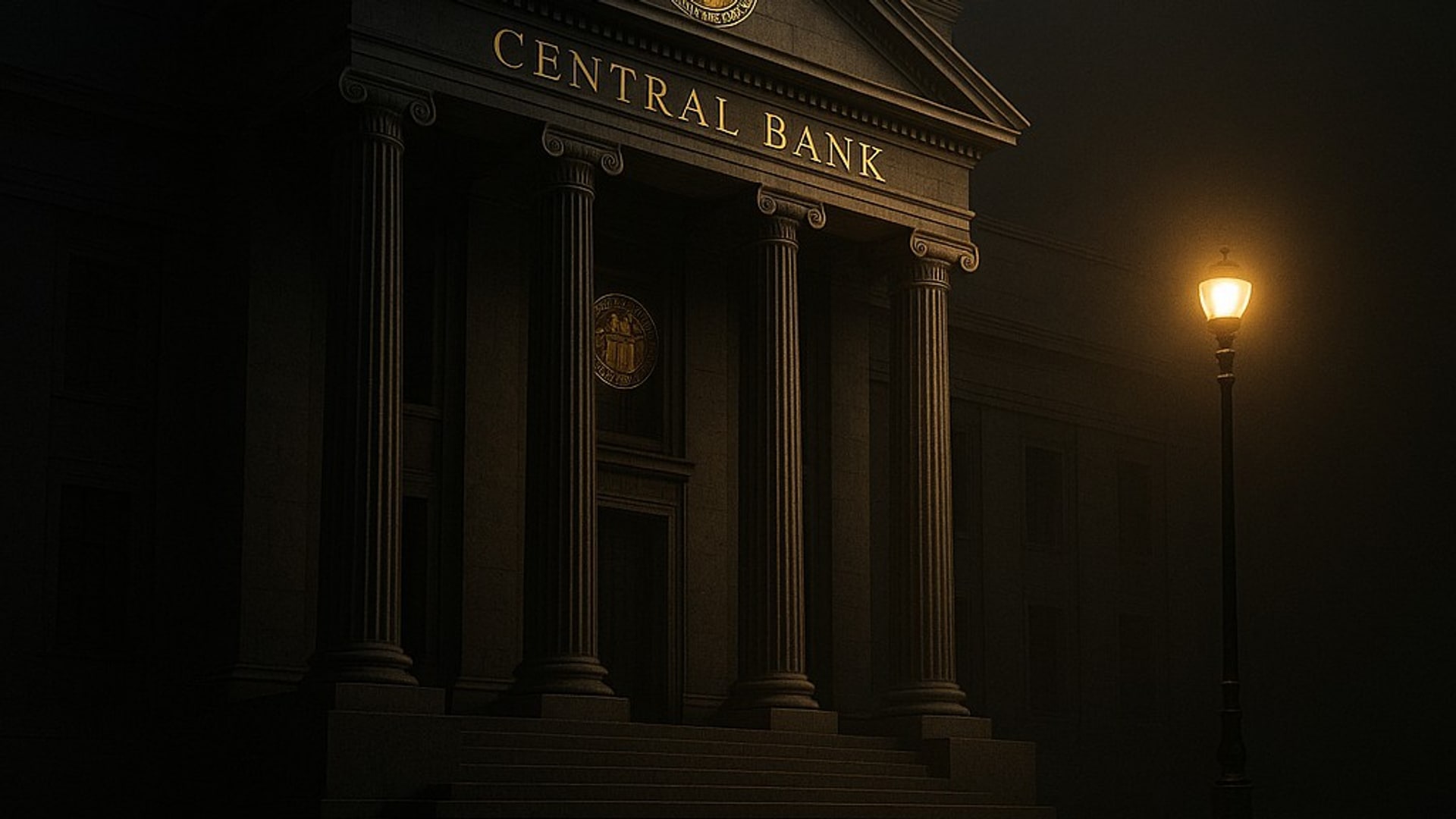
Since 2010 central banks have been net buyers of gold every single year. Since 2022 — following the freezing of Russian foreign-currency reserves — that bid has accelerated to record levels, with over 1,000 tonnes added to official reserves in both 2022 and 2023.
Emerging-market central banks in particular are diversifying away from US Treasuries as their sole reserve asset. That is a slow-moving structural shift, not a short-term catalyst, and it puts a floor under the market that did not exist a decade ago.